-
- No Comments
- August 7, 2026

Brand Identity Checklist: 10 Proven Tips for New Businesses
Brand Identity Checklist: 10 Proven Tips for New Businesses
A solid brand identity checklist is the difference between a business that looks put together on day one and one that scrambles to explain itself to every new customer. When you are launching, it is tempting to jump straight to a logo and call it done. But a real brand identity checklist covers far more than a symbol. It covers how your business looks, sounds, and feels across every single touchpoint, from your website to your business card to your first social media post. Skip it, and you end up patching your visuals together later, usually at a much higher cost and with a lot of frustrating rework once your materials are already printed or live.
This guide walks through exactly what belongs on your brand identity checklist before you launch, why each item matters, and how to actually put it to work once it exists, rather than letting it sit in a folder nobody opens again.
Why a Brand Identity Checklist Matters Before You Launch
New customers form an opinion about your business before they read a single word you write. A logo, a color palette, and a tone of voice that all feel disconnected quietly signal that a business is new, unsure, or not fully serious yet, even if the product itself is excellent. A brand identity checklist forces you to make these decisions once, deliberately, instead of reacting piece by piece as new needs come up week after week.
It also saves real money. Imagine printing business cards and signage in one shade of blue, then redesigning your logo six months later once you finally settle on your actual brand colors. Every asset you already produced needs replacing. Redesigning a logo after your packaging, signage, and website are already printed and live costs far more than getting it right the first time. Treat it as a foundation, not decoration you add once the important work is done. Consistency also builds quiet trust: customers who see the same colors, tone, and logo everywhere assume the business behind them is stable and organized, even before they have bought anything.
10 Must-Have Elements for a Complete Brand Identity Checklist
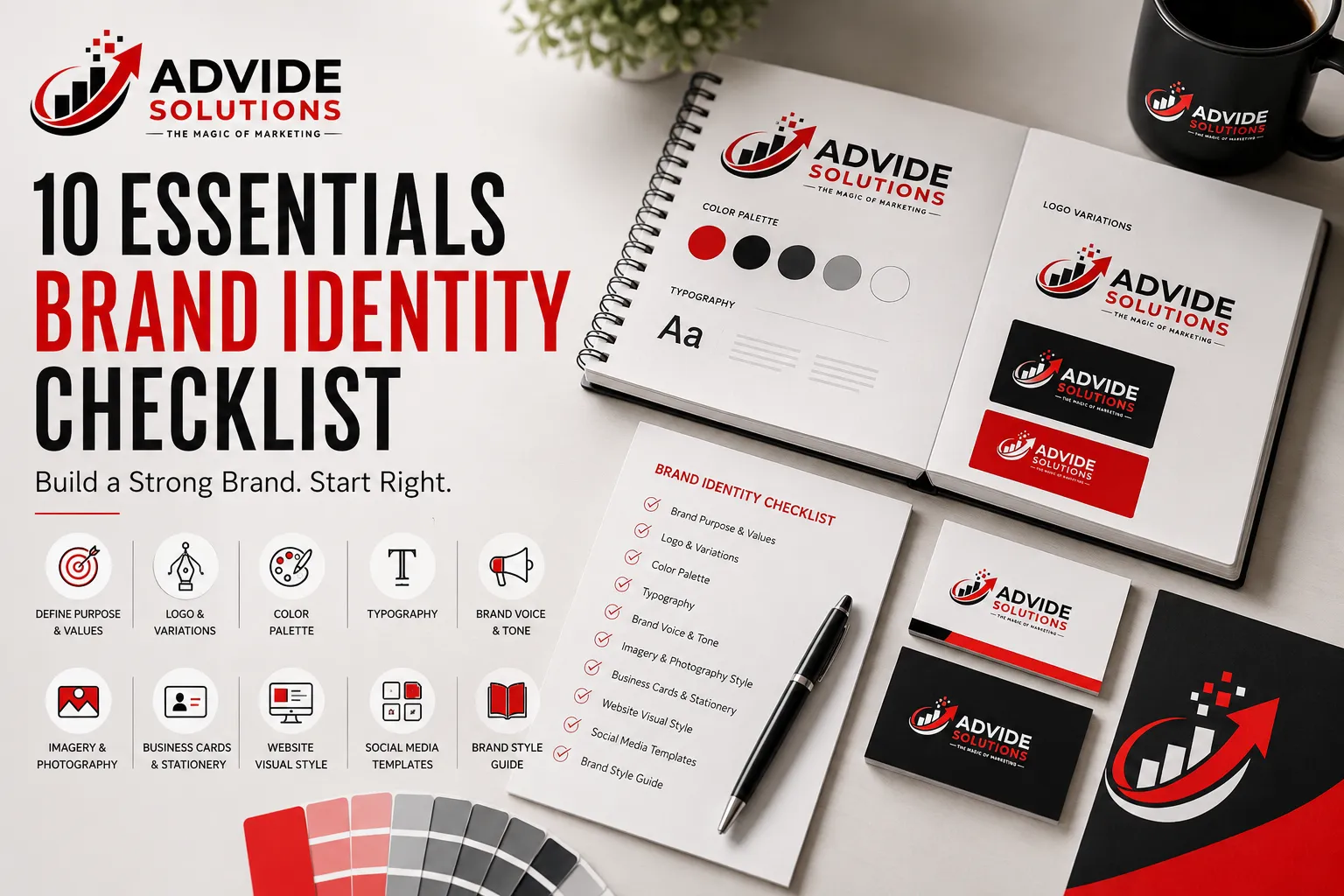
Use this brand identity checklist as your baseline, then adapt individual items to fit your industry and budget. Every strong checklist like this should walk through these ten elements before you consider your visual identity finished.
- Brand purpose and values — write down why your business exists and what it stands for, since every visual choice should reflect this.
- Logo and logo variations — design a primary logo plus a simplified icon and a horizontal version for different spaces and sizes.
- Color palette — choose two or three primary colors and a small set of supporting shades, with exact hex codes documented.
- Typography — pick one font for headlines and one for body text, and note the weights and sizes you are allowed to use.
- Brand voice and tone — decide whether your business sounds formal, friendly, playful, or authoritative in writing and speech.
- Imagery and photography style — set clear rules for the mood, lighting, and composition of any photos you use.
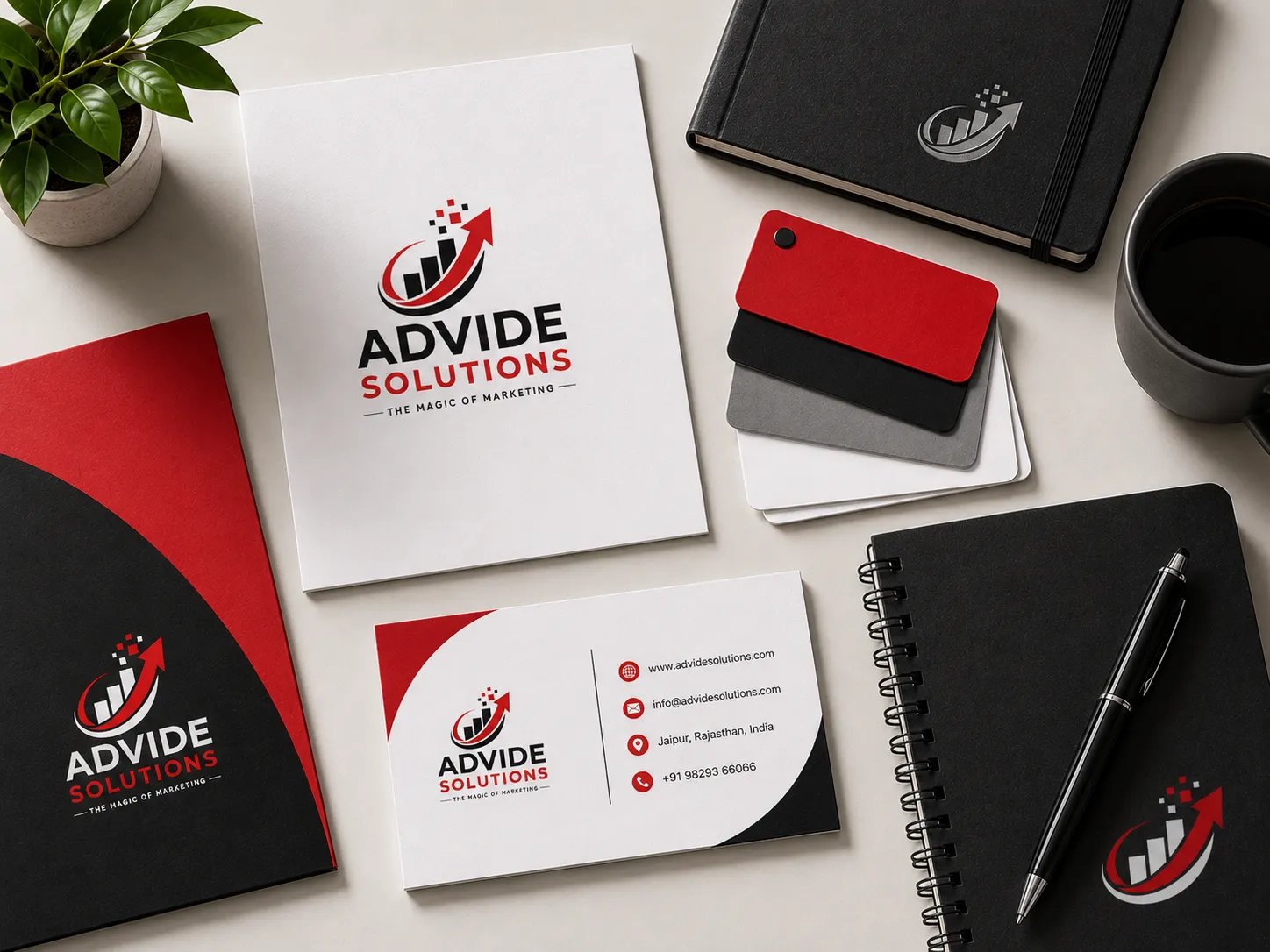
- Business cards and stationery — apply your logo, colors, and fonts consistently to letterheads, cards, and invoices.
- Website visual style — carry your palette, type, and imagery choices onto your homepage and key landing pages.
- Social media templates — build reusable post and story templates so every platform still feels like the same brand.
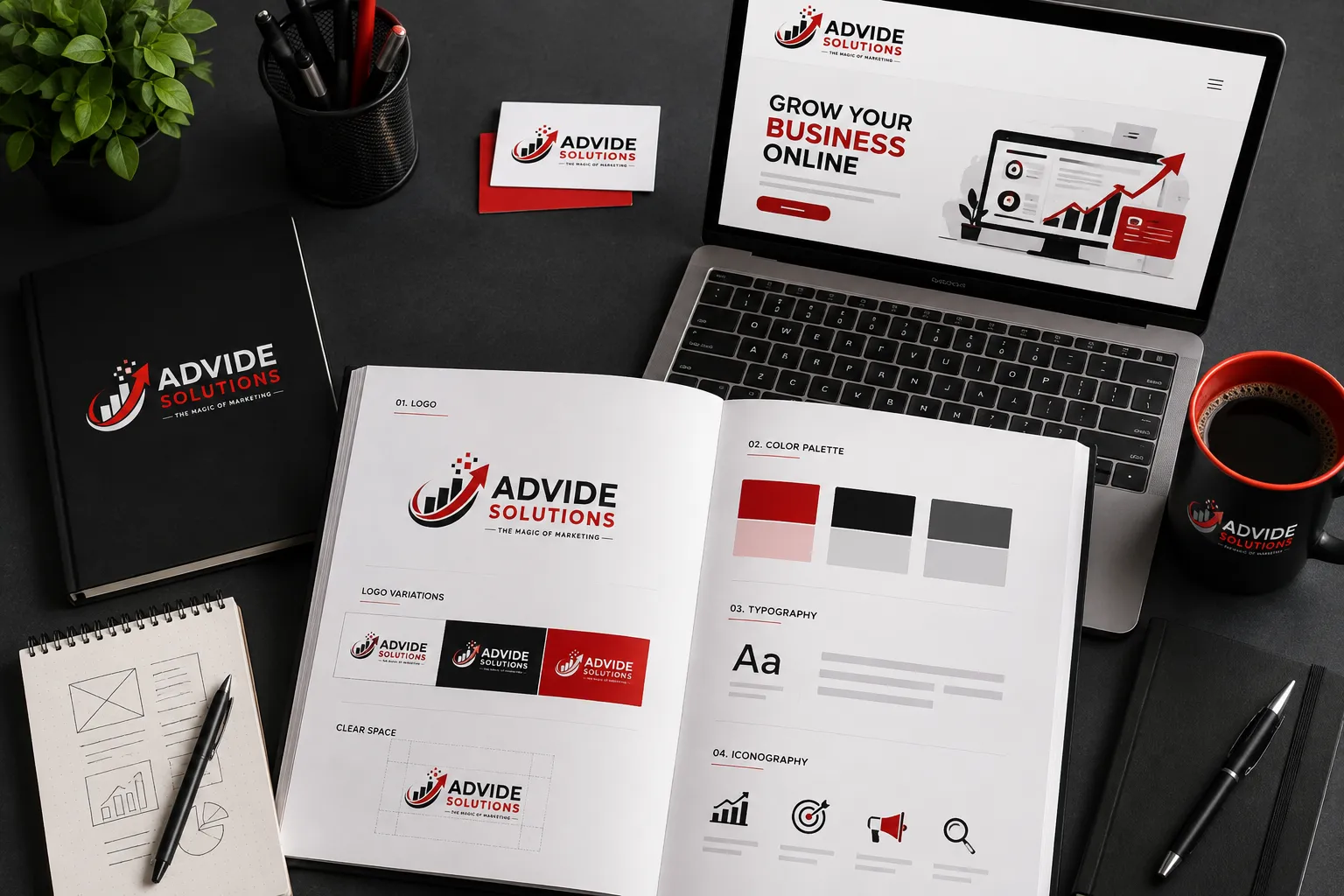
- A written brand style guide — document every rule above in one place your whole team and any vendor can reference.
How to Put Your Checklist to Work
Having a brand identity checklist only helps if you actually apply it everywhere your business shows up. Start with your highest-visibility assets first: your website, your primary social profiles, and anything a new customer sees before they ever speak to you. Then work outward to smaller touchpoints like email signatures, invoices, and packaging.
Roll it out in phases if you are short on time or budget, rather than waiting until every single item is perfect before you launch anything at all. Get your logo, colors, and website locked down first, then layer in social templates and stationery over the following weeks. A professional team offering dedicated logo and brand identity design can turn your checklist into a finished visual system far faster than building it piece by piece in-house, especially if design is not your core skill.
Common Brand Identity Mistakes New Businesses Make
Even with good intentions, new businesses tend to repeat the same handful of mistakes. Skipping the strategy step and jumping straight to colors and fonts is the most common one, since visuals without a clear purpose behind them rarely hold together over time. Using too many colors or fonts across different materials is another, since it makes a business feel inconsistent rather than established.
A third mistake is letting different people design different assets without sharing any reference files, so your website, packaging, and social posts end up looking like they belong to three separate companies. Many new businesses also treat their checklist as a one-time task instead of a living reference, so months later nobody remembers the original hex codes or approved logo files. Pairing your visual identity with a clear digital marketing plan ensures your new look actually reaches the right audience instead of sitting unused on a hard drive somewhere. For a deeper look at how professional designers approach this process, Adobe’s guide to brand identity design is a useful, practical reference.
Frequently Asked Questions
What is a brand identity checklist?
A brand identity checklist is a structured list of every visual and verbal element a business needs to present itself consistently, including its logo, colors, fonts, tone of voice, imagery style, and style guide, so nothing important gets left to guesswork.
Do small businesses really need a full one?
Yes, though it does not need to be complicated at first. A simple version with a logo, two or three colors, one font pairing, and a short tone-of-voice note is enough to start, and it can grow as the business does.
How long does it take to complete a brand identity checklist?
A basic version can be finished in one to two weeks, while a full one with a style guide and templates usually takes three to six weeks depending on how many people are involved.
Can I build my own without a designer?
You can start one yourself, especially the strategy and values sections, but a designer helps translate those decisions into a logo and visual system that actually works across every size and format.
What is the biggest mistake businesses make with their brand identity checklist?
Treating it as a one-time task. It should be revisited and updated as the business grows, not filed away and forgotten right after launch.
Conclusion
A brand identity checklist is not a nice extra for later, it is the foundation every other marketing effort builds on. Work through the ten elements above before you launch, document them in one place, and apply them consistently across every touchpoint your customers see. Get this right early, and every website, social post, and business card you create afterward becomes easier, faster, and noticeably more consistent, freeing you up to focus on running the business itself rather than second-guessing your visuals.


